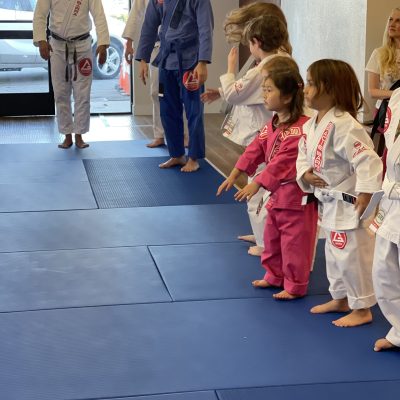
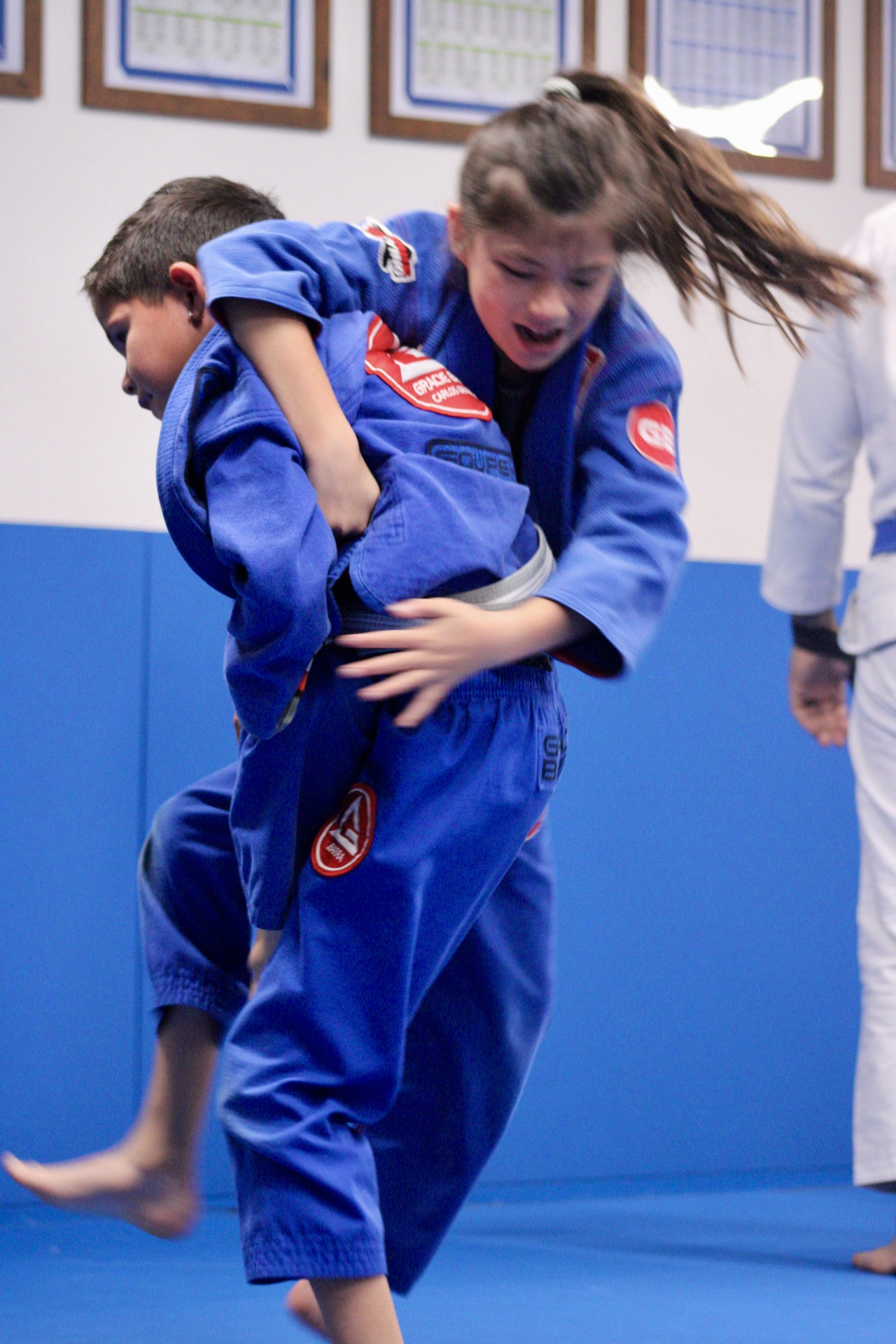
Bullying is a serious and widespread issue that affects many children in schools and social environments, often leaving long-lasting emotional and psychological scars. In this context, Jiu-Jitsu, when introduced from an early age, stands out as a powerful educational tool—one that helps raise confident, disciplined, and emotionally resilient children. These qualities are essential for preventing and effectively dealing with bullying situations.
Jiu-Jitsu: More Than Self-Defense
Contrary to common misconceptions, children’s Jiu-Jitsu is not about promoting aggression. On the contrary, it teaches emotional control, self-discipline, and respect for others. Children learn that true strength comes from technique, awareness, and calm decision-making. This understanding reduces impulsive behavior and encourages responsible actions in challenging situations.
Building Confidence and Self-Esteem
One of the main factors that makes a child vulnerable to bullying is insecurity. In Jiu-Jitsu, progress is constant and measurable. Every class, every new movement, and every challenge overcome strengthens a child’s self-esteem. As confidence grows, posture, communication, and overall presence improve—traits that naturally discourage bullying behaviors.
Discipline, Respect, and Lifelong Values
From an early age, Jiu-Jitsu instills clear rules, structure, and respect for instructors and teammates. Core values such as discipline, empathy, cooperation, and responsibility are reinforced daily on the mat. These lessons extend far beyond training, positively influencing a child’s behavior at school, at home, and in social interactions.
Learning to Respond, Not React
One of the greatest benefits of Jiu-Jitsu in bullying prevention is teaching children when and how to act. They learn to recognize risky situations, avoid unnecessary conflicts, and seek help when appropriate. Only as a last resort are they taught how to protect themselves in a controlled, proportional, and safe manner. This approach builds emotional security for both children and parents.
Integrated Physical and Emotional Development
Beyond psychological benefits, Jiu-Jitsu supports healthy physical development by improving coordination, balance, focus, and overall fitness. The result is a more active, disciplined, and resilient child—better prepared to handle frustration, pressure, and everyday challenges.
A Safe and Supportive Environment
In well-structured schools such as Gracie Barra, the learning environment is designed to be safe, inclusive, and supportive. Children train together, form friendships, and become part of a positive community that reinforces strong values and reduces isolation—one of the key contributors to bullying.
Conclusion
Introducing Jiu-Jitsu during childhood is an investment in character development, not just physical skills. It provides children with real tools to grow into confident, respectful, and emotionally balanced individuals. More than learning how to defend themselves, children learn how to strengthen themselves from within—and that is the most effective way to combat bullying.